The steel industry emits a large amount of CO2 with dispersed emission sources. The flue gas containing CO2 has characteristics of temperature fluctuations, low CO2 volume fraction and complex pollutants, and this increases the difficulty in CO2 capture. For a total CO2 volume on the order of one billion tons, not only carbon capture but also the subsequent CO2 disposal remains a challenging issue that urgently needs to be addressed in steel decarbonization. This paper elaborated on the carbon flow pathways, the functional roles that carbon plays, i.e., fuel, reductant, and raw material, and the conversion reactions within the steel making process. Analysis and review were made on carbon capture,utilization and storage(CCUS) development and application at home and abroad in the steel industry. With overall consideration of the steel capacity projection, process structure trend and H2 direct reduced iron prospect, this paper proposed an innovative carbon-loop technical route for iron and steel metallurgy. It was given in the premise of reducing primary carbon sources and on the basis of green-power-driven CO2 conversion, the route works as follows, separating of CO2 at the terminal end, converting CO2 into reducing component by green power and recirculating into iron-reducing process. In this manner CO2-converted component replaced a portion of the primary carbon input, so that to realize the low carbon smelting process. The main point focuses on the building of mass and energy flow model for the blast furnace under extreme coke ratio condition, and we believe it is worthy of attention as carbon neutral pathway for China's steel industry on account of China resource endowment and steel industrial pattern.
As a critical load-bearing components in prestressed concrete structures, prestressed steel strands exhibit stress relaxation behavior that directly affects the long-term safety and durability of the structures. Due to the influence of material constitutive properties, manufacturing processes, and service environments, steel strands inevitably experience prestress loss under long-term loading. In recent years, domestic and international scholars have conducted extensive theoretical analyses, experimental studies, and model constructions focusing on the influence mechanisms of factors such as static load, temperature, material composition, interfacial constraints, and fatigue loading on stress relaxation behavior. This paper systematically reviews the stress relaxation of prestressed steel strands under static loading, with emphasis on the effects of initial stress level, temperature, material composition and manufacturing processes on its performance. It further summarizes the action mechanisms of interfacial constraints between steel strands and grouting materials, as well as the effects of strand surface conditions on stress relaxation. Based on this, it analyzes the accelerated evolution characteristics of steel strand stress relaxation under the coupling effects of fatigue loading, fretting wear, and corrosion, as well as their characterization and prediction methods. Finally, in view of the deficiencies in existing studies, this paper prospects the future research trends regarding stress relaxation of prestressed steel strands. This paper can provide a reference for the long-term performance evaluation and durability design of prestressed structures.
In order to effectively solve the contradiction between resource constraints of high-quality coal injection, rise production cost and multi-objective optimization in blast furnace ironmaking process, and respond to the requirements of the national "double carbon" strategy for the green and low-carbon transformation of the steel industry, this paper put forward a method of coal injection blending system which integrates data management, multi-objective optimization and intelligent decision-making. Firstly, a multi-dimensional coal injection evaluation system covering the core indicators such as basic attributes of pulverized coal, industrial analysis and elemental analysis was constructed to realize the quantitative characterization of different coal types in terms of safety, flammability and economy. Secondly, based on the multi-objective programming theory, a multi-objective optimization model guided by "low cost, high combustion rate and high reactivity" was established, and the optimal mixing scheme was obtained using the combined solution strategy of genetic algorithm and simplex method. The industrial application results show that the model can effectively optimize the fuel injection structure, improve the utilization rate of pulverized coal, and significantly improve the production economic benefits and low-carbon operation level under the premise of maintaining the stable and smooth operation of the blast furnace. For 1 860 m3 blast furnace, under the guidance of cost minimization, the maximum cost per ton of iron is reduced by 8.75 yuan, the carbon emission is reduced by 4.57%, and the total fuel consumption is reduced by 16.22 kg/t. In the quality priority mode of 3 800 m3 blast furnace, the maximum cost per ton of iron is reduced by 6.36 yuan, the carbon emission is reduced by 0.68%, and the total fuel consumption is reduced by 5.7 kg/t. In the most cost-effective mode of 5 500 m3 blast furnace, the total fuel consumption is reduced by 11.8 kg/t, and the cost of iron per ton of coal is reduced by 0.54 yuan. The model and decision-making system have been verified by industry and achieved good results. It provides a feasible path for the intelligent and green transformation of blast furnace coal blending process and has important application guiding value for promoting the high-quality development of iron and steel industry.
Given the unclear mechanism of multi-stage coal-oxygen injection and combustion in high-viscosity molten bath within iron bath smelting reduction furnace, this study established a three-dimensional transient numerical model that coupled the volume of fluid(VOF) multiphase flow, species transport, and the eddy dissipation model (EDM) for combustion. The study systematically analyzed the multiphase flow field structure at the lance outlet, temperature distribution, and the burnout behavior of pulverized coal under oxygen concentrations ranging from 25% to 100% and various coal-to-oxygen ratios. The results indicate that the high-viscosity, high-density bath environment significantly suppresses the momentum transfer of the jet, leading to the formation of a characteristic "confined recirculation zone" (resembling an S-shape) at the lance exit region, rather than a typical free jet. While this flow-field structure enhances gas-solid mixing, it simultaneously impedes convective heat diffusion, resulting in a localized region of high thermal load (hot spot) near the lance exit. The synergistic action of the upper and lower oxygen lances in the multi-stage injection reactor elevates the temperature of the oxidation zone. Oxygen concentration is the primary controlling factor determining the combustion efficiency of pulverized coal. As the oxygen mass fraction increases, the average bath temperature and the volume of CO2 generated increase significantly, with the pulverized coal burnout rate reaching a maximum of 82.59%. In contrast, variations in the pulverized coal injection rate exert lesser influence on the burnout rate. Considering both combustion efficiency and lance longevity, while high oxygen content operation can significantly enhance the burnout rate, careful attention must be paid to the risk of nozzle ablation caused by localized overheating. This study elucidates the coupling mechanism of combustion and heat transfer under confined jets, providing a theoretical basis for optimizing oxygen supply strategies and extending lance service life in industrial applications.
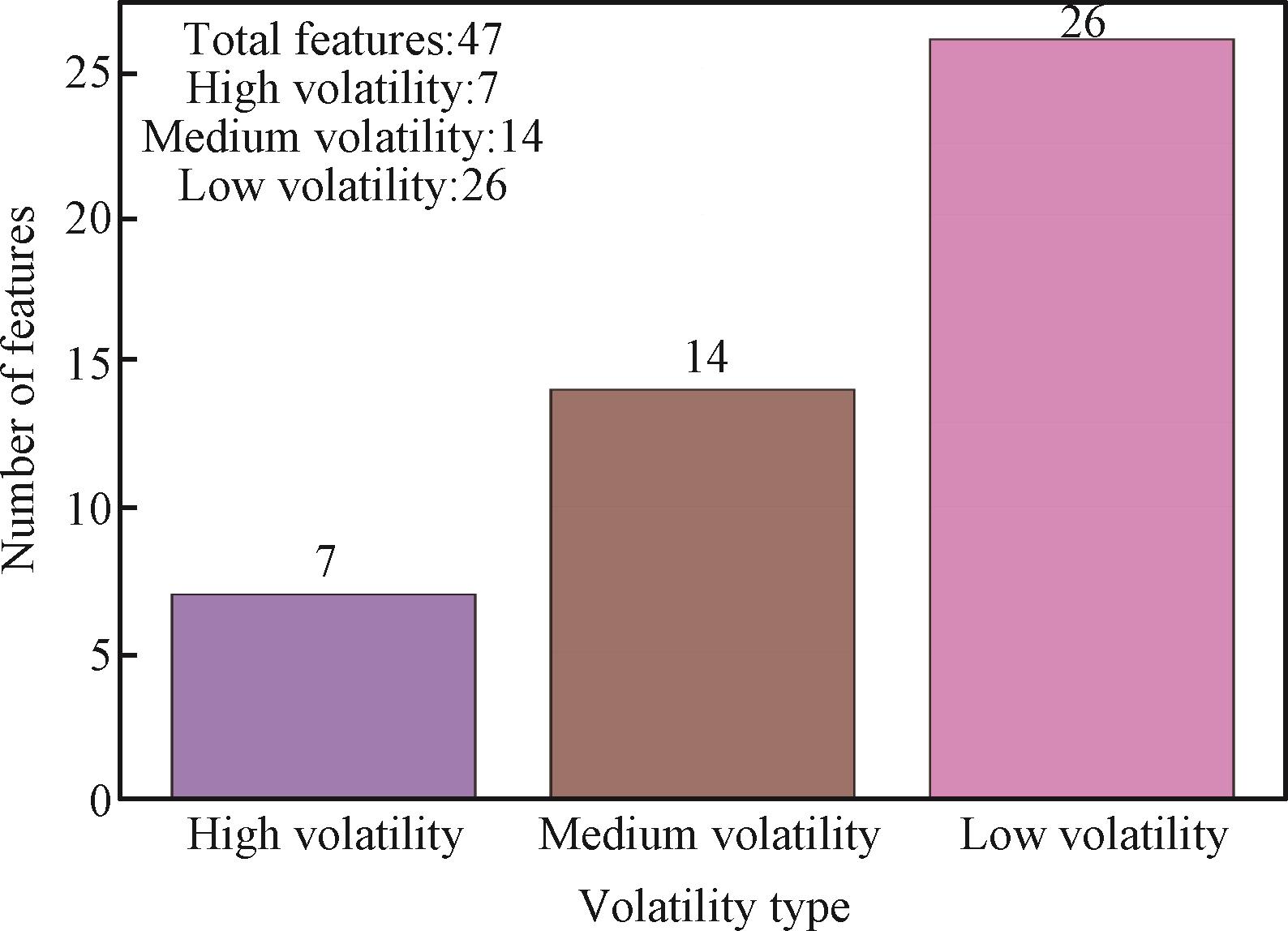
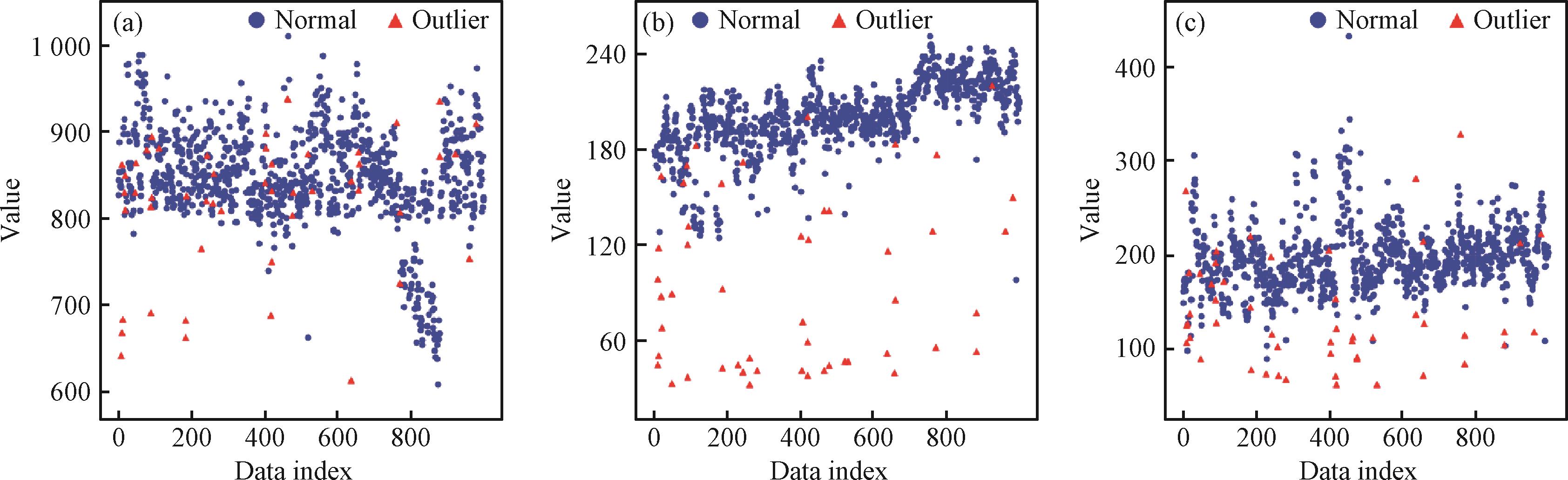
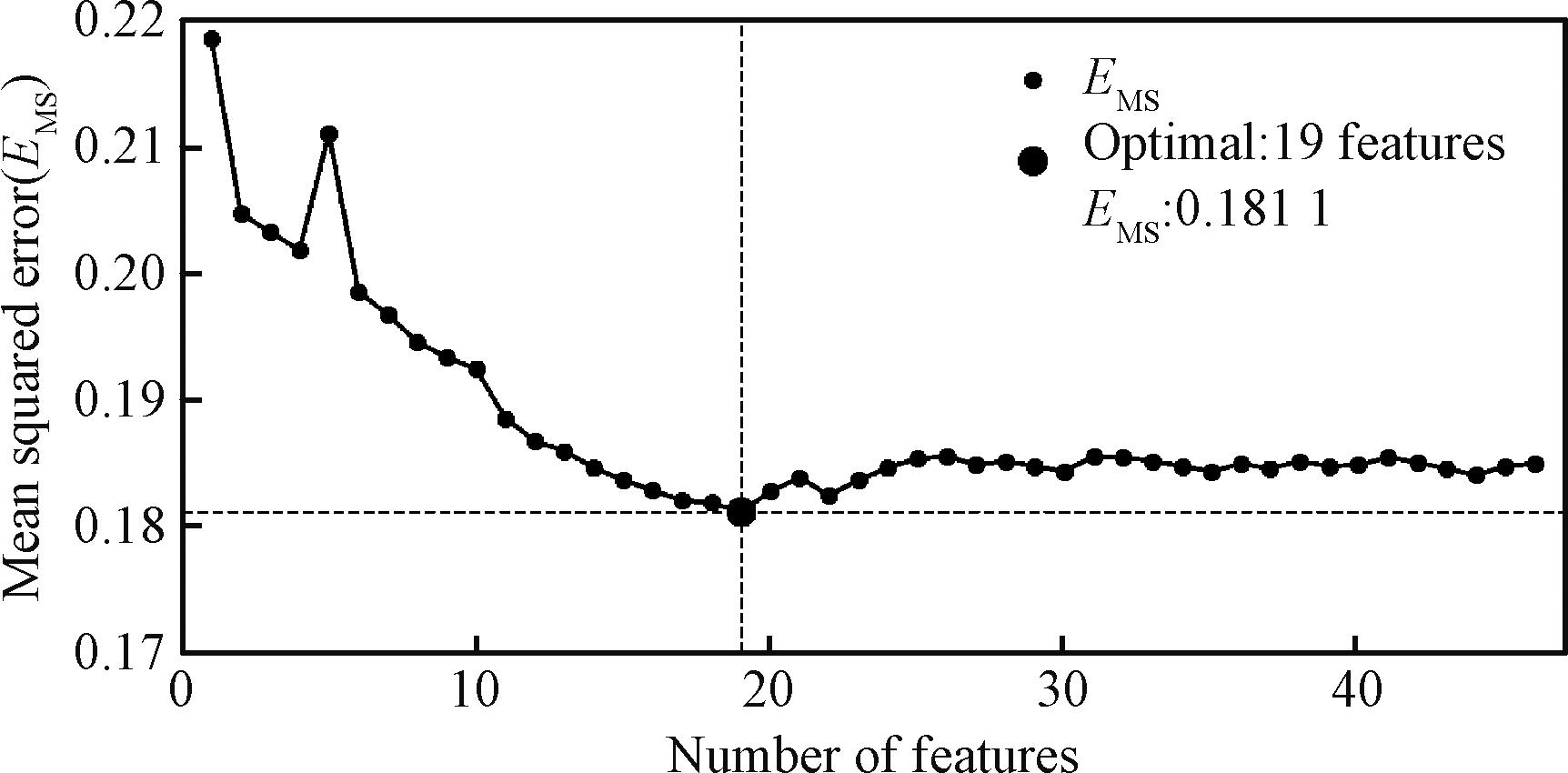
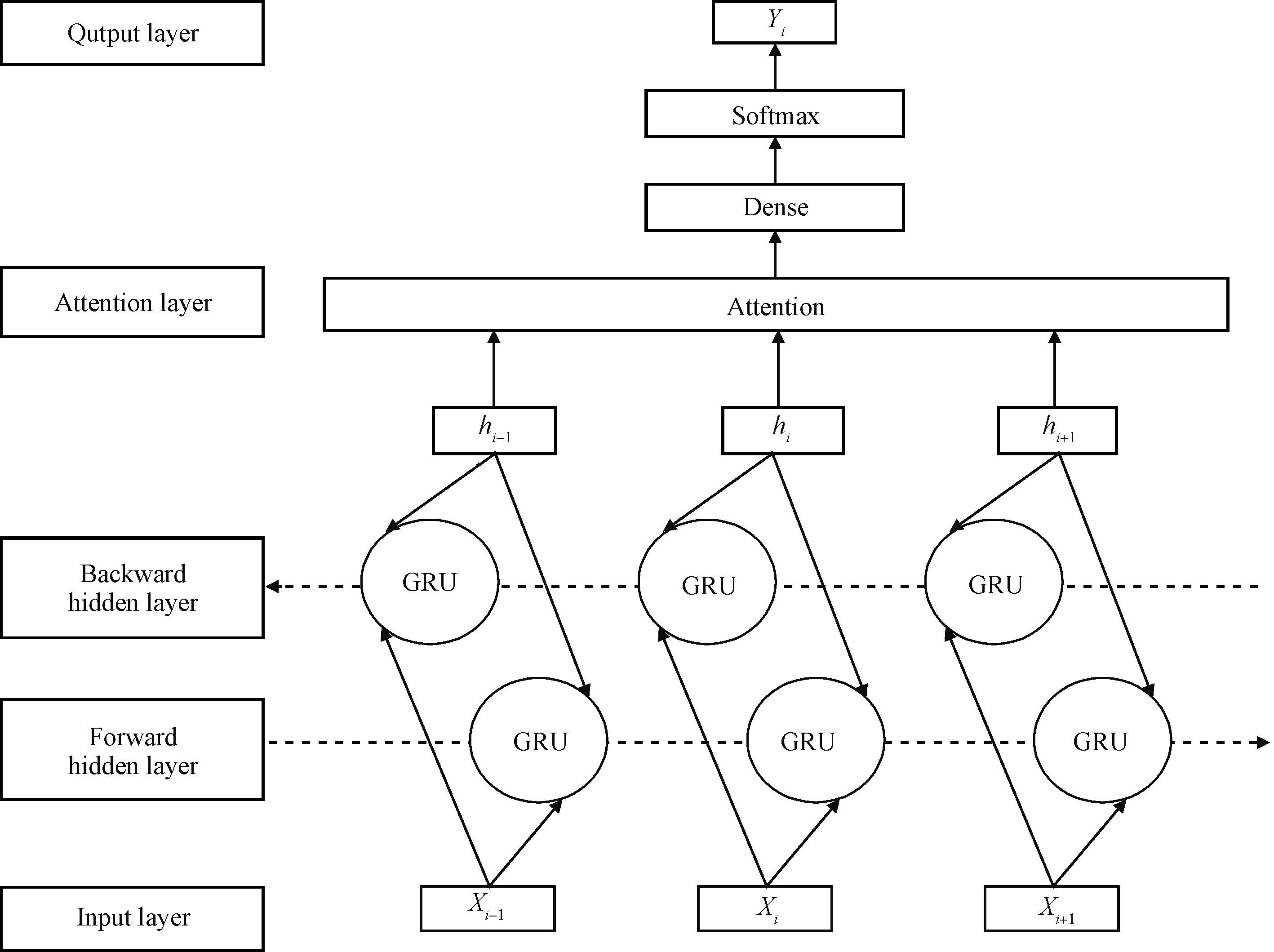
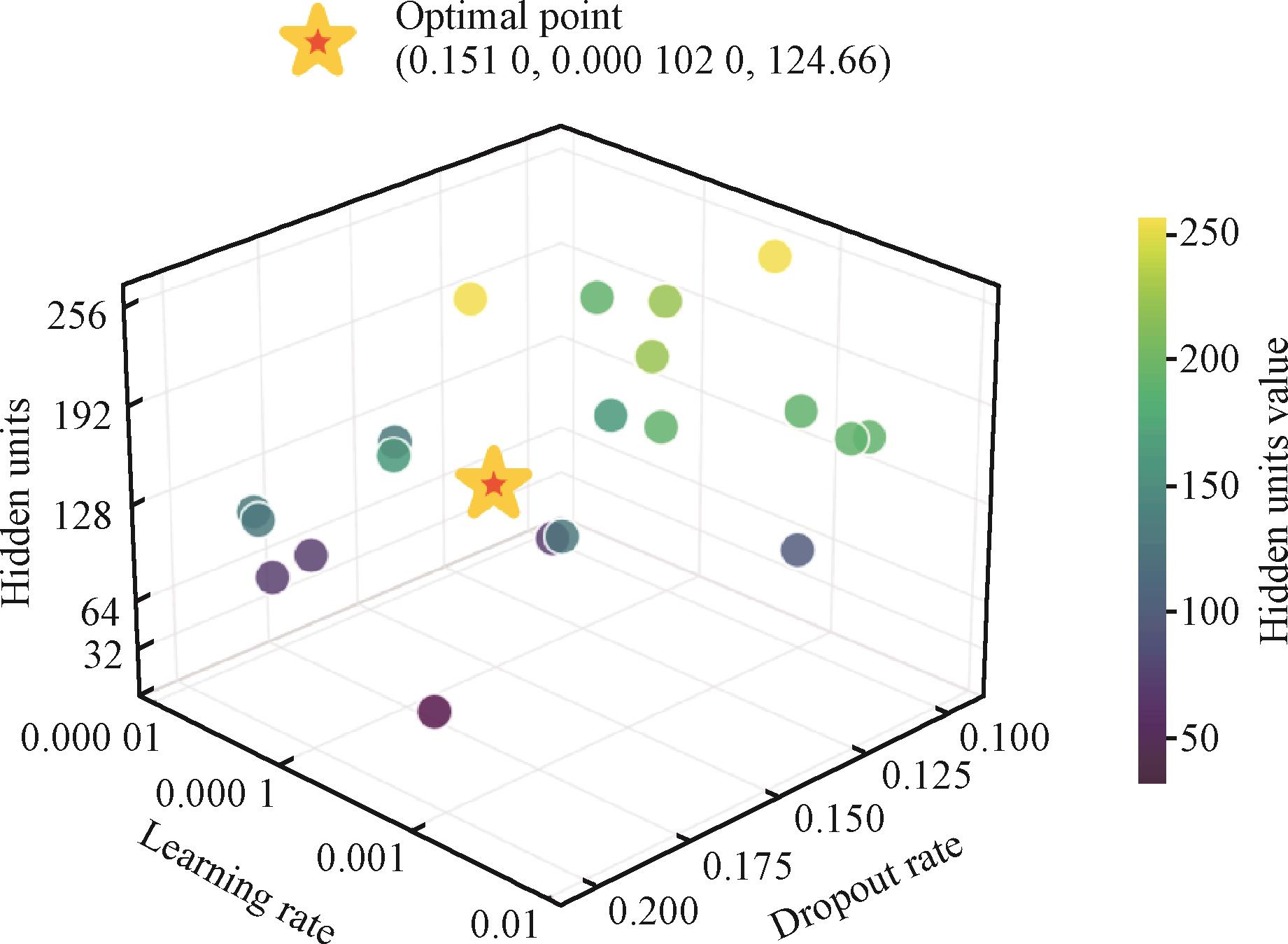
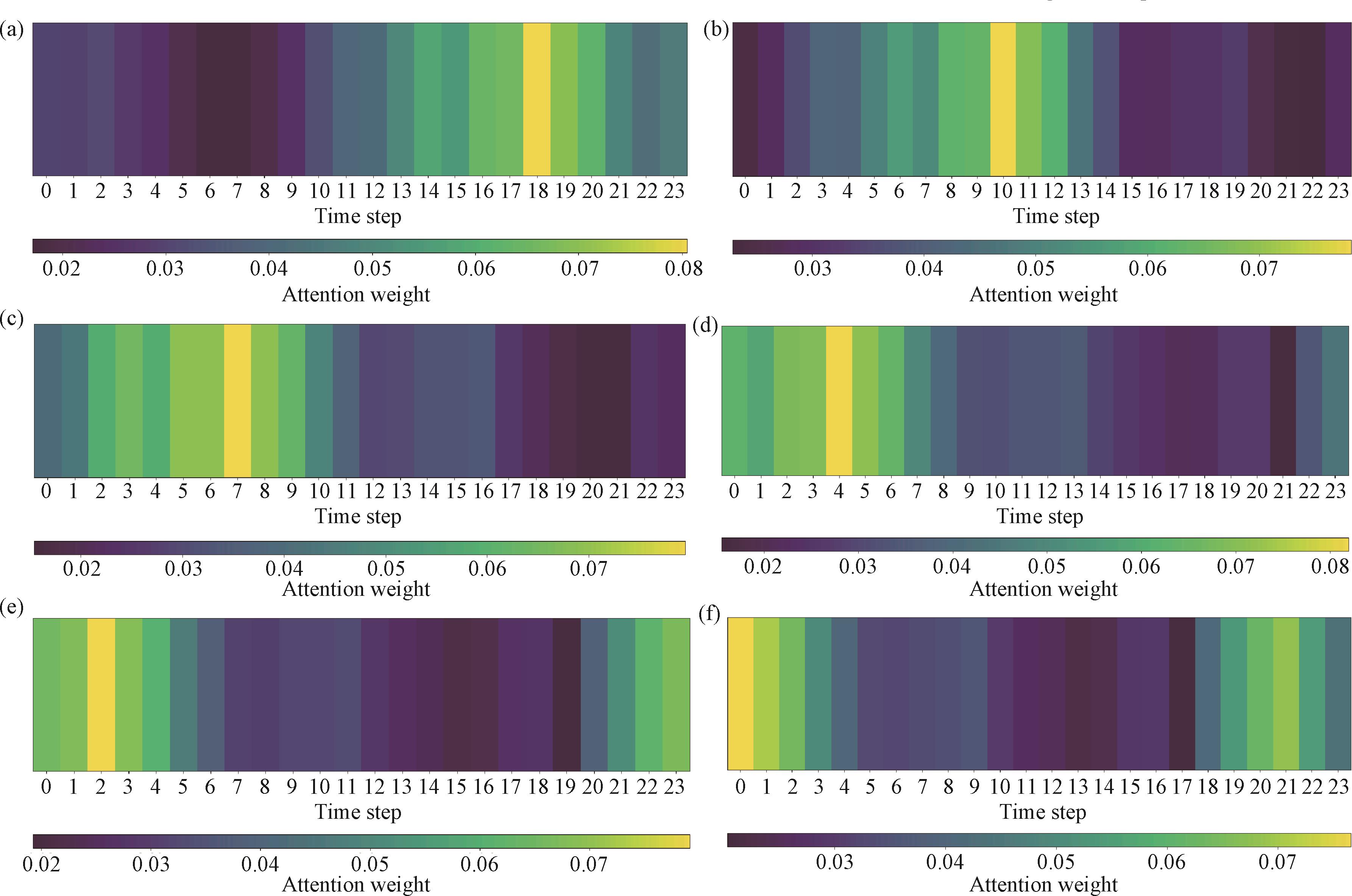
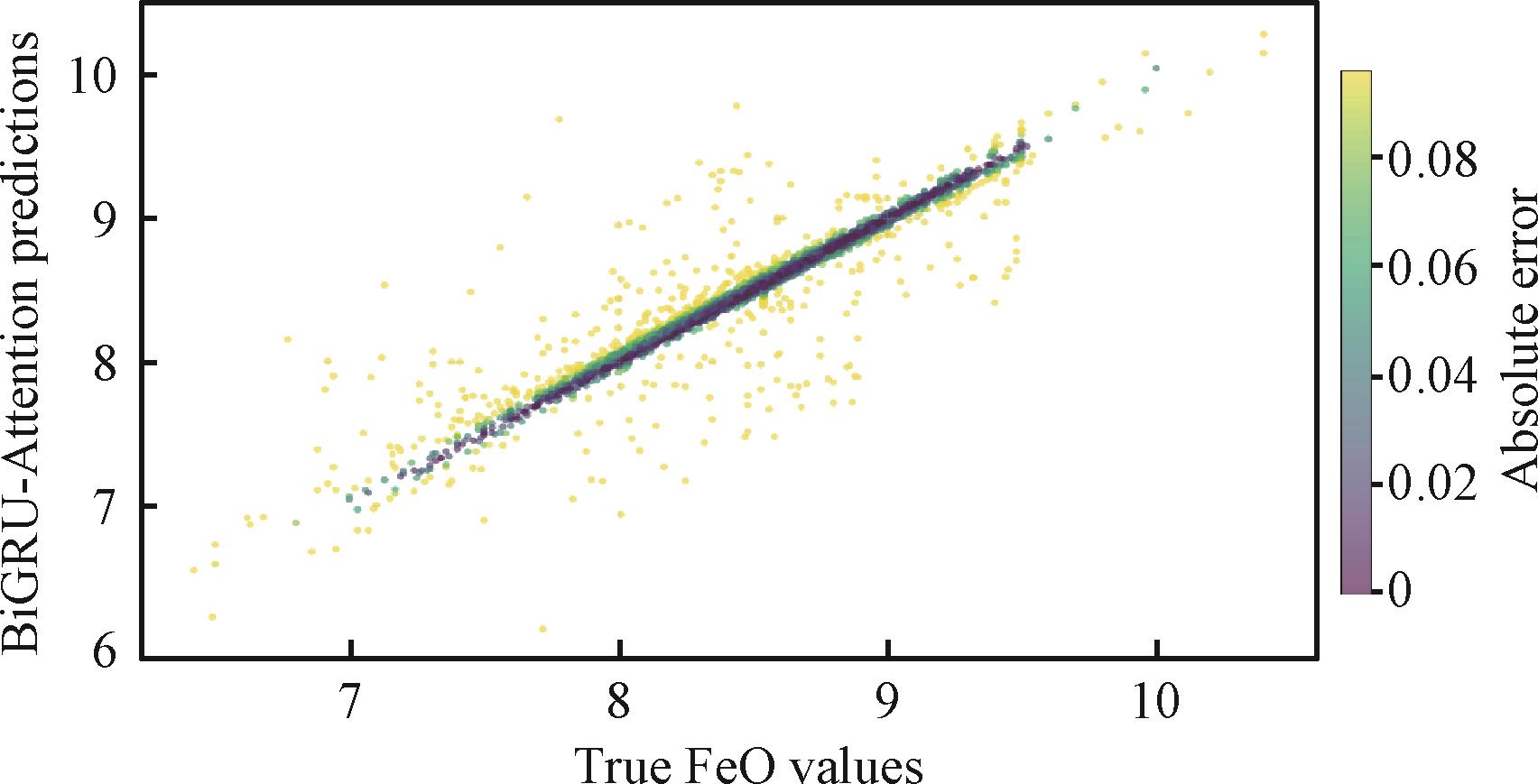
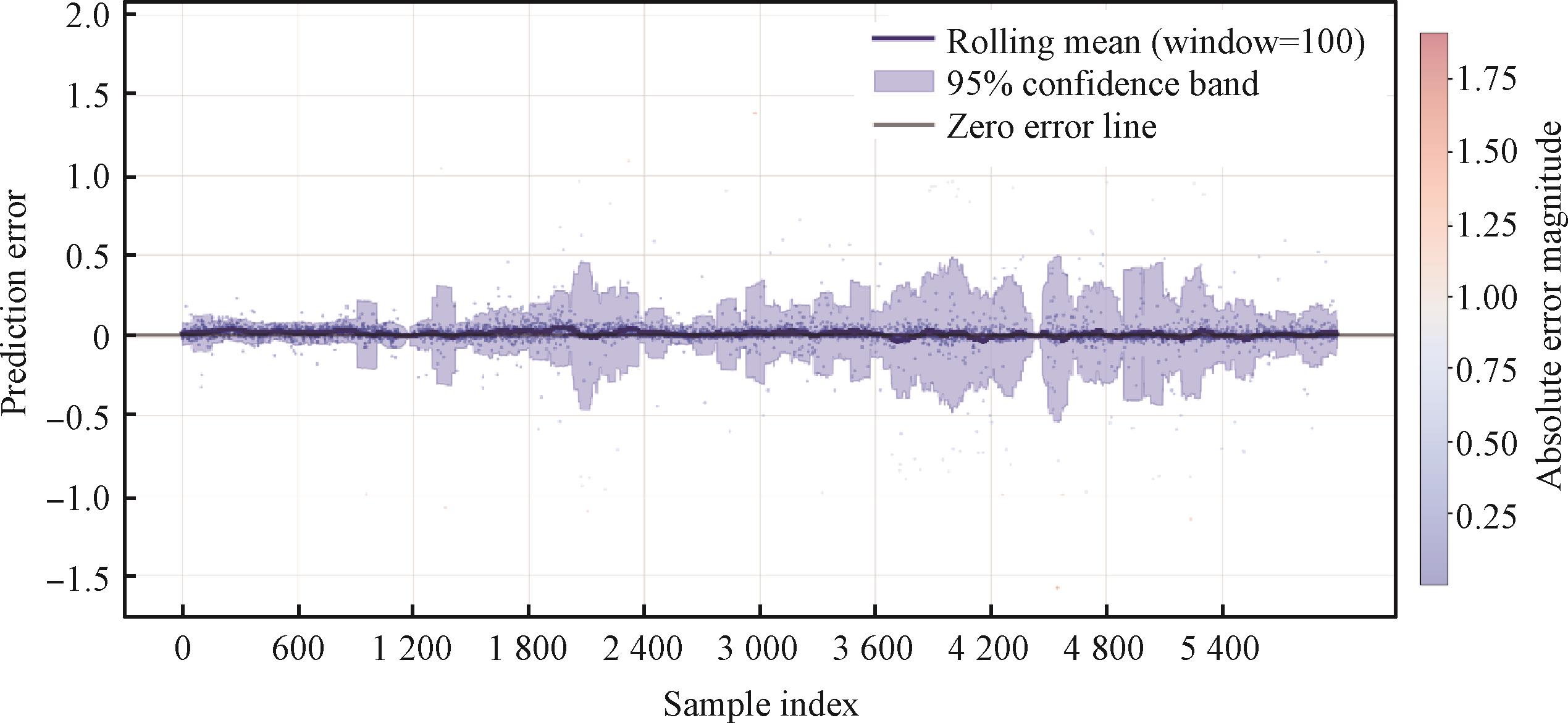
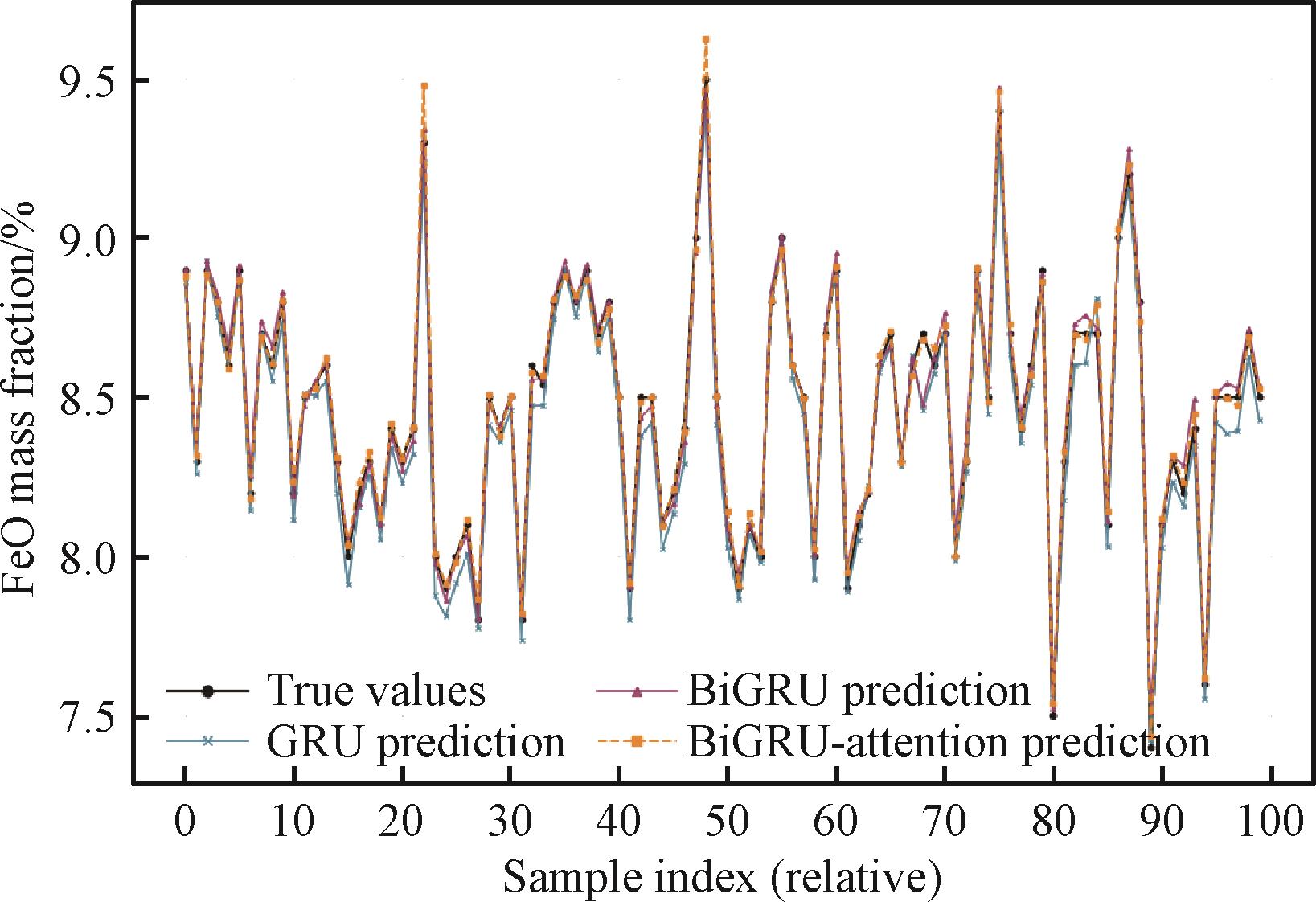
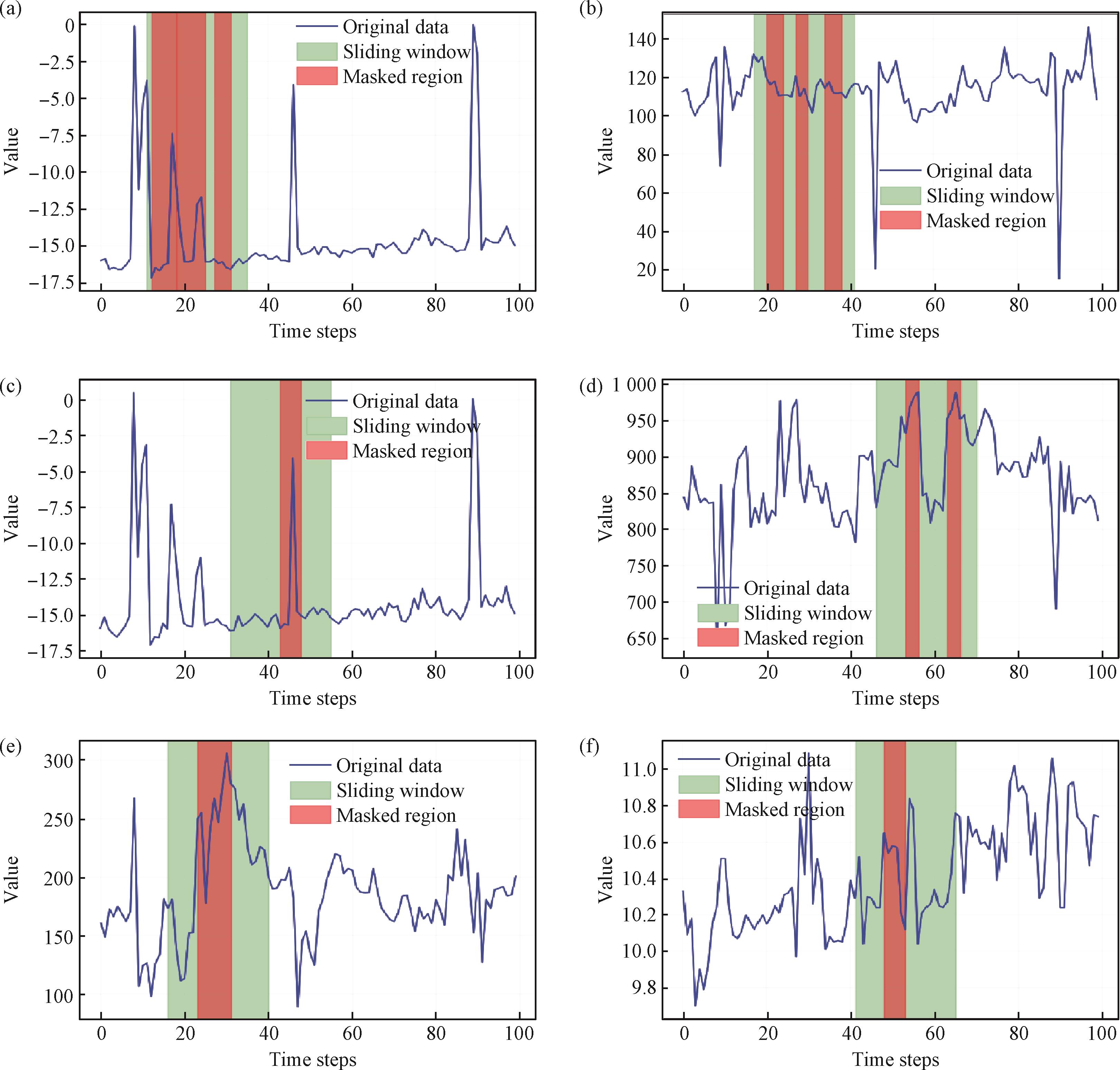
The FeO content is an important indicator affecting the strength and metallurgical performance of sintered ore. Therefore, accurately predicting the FeO content of sintered ore is helpful for stabilizing the sintering quality and ensuring the smooth operation of the blast furnace ironmaking process. As a typical sequential production, the FeO content prediction method based on recurrent neural networks has been widely applied. However, traditional recurrent neural networks and their variants face the problem of information dilution when dealing with long sequences, and the information from distant sequence ends has a relatively weak impact on the final output. Therefore, this paper constructed the BiGRU-Attention model. By analyzing the characteristics of on-site data, it used the isolation forest to monitor outliers and eliminate them, the missing forest interpolation model to fill in the missing values, and finally performed data transformation to improve the quality of the input data of the model. In addition, the recursive feature elimination algorithm was used for feature reduction, reducing the model load. By constructing a bidirectional gated recurrent unit and processing the forward and backward time series in parallel, the long-term temporal dependencies in the sintering process are captured, achieving the complete modeling of the global context information of the time series. An attention mechanism was introduced to dynamically focus on key stages. Through the Query matrix,Key matrix and Value matrix of the attention layer, the importance of each part was calculated, adaptively allocating weights for the input data, generating a more relevant context matrix, optimizing resource allocation, and improving the prediction accuracy of the model on complex time series data. The results show that compared with GRU and BiGRU models, the BiGRU-Attention model can better understand the intrinsic correlations between sintering features. This model shows higher prediction accuracy and flexibility on the test set, with MAE = 0.033 7, RMSE = 0.103 6, MAPE=4.054%, R²=0.893 5. The prediction results of the BiGRU-Attention model are highly consistent with the true values. Furthermore, in order to test the industrial application value of the model, by incorporating sliding windows and masks, and introducing different levels of random noise during the training and prediction of the model, the robustness and application potential of this method in accurately controlling the trend changes of FeO content in sintered ore were verified.
The Bayan Obo ore is a typical low-grade polymetallic symbiotic deposit in China, with abundant reserves of key metal resources such as iron, niobium, titanium, and rare earth elements. The ore exhibits a complex mineralogical structure and hosts approximately 20 niobium-bearing minerals, which are characterized by intergrowth, mutual encapsulation, and intricate associations. During the beneficiation process, co-separation of iron-bearing gangue minerals and niobium minerals commonly occurs, resulting in difficulties in upgrading the niobium concentrate grade-a major constraint on the efficient utilization of niobium resources in China. Given the similar physicochemical properties and complex dissemination relationships between iron-bearing gangue and niobium minerals, this study proposed a mineral phase reconstruction strategy for niobium minerals. By modifying their surface properties and competitive adsorption behaviors, effective separation from iron-bearing minerals could be achieved, ultimately forming niobium-rich slag. To investigate the evolution of niobium mineral phases during the oxidation roasting of Bayan Obo ore pellets, the influence of varying Nb₂O₅ additions on phase transformation was systematically examined.Results indicate that at a calcination temperature of 1 200 ℃, increasing the Nb2O5 content reduces pellet porosity, decreases interconnected pores, lowers coordination number, deteriorates pore connectivity, and gradually enhances compressive strength. During roasting, a new crystalline phase-Ca2Nb2O6F-forms within the oxidized pellets. This phase aggregates and distributes tightly with hematite, and the majority of niobium migrates into Ca₂Nb₂O₆F. The phase transformation pathway of niobium during roasting follows FeNb2O6→Ca2Nb2O6F. This study clarifies the mineralogical transformation mechanisms of niobium, calcium, and fluorine in Bayan Obo ore, providing a novel approach for the targeted reconstruction of complex niobium minerals into a simplified, single niobium phase.
To address the poor particle size characteristics of grinding products produced by steel cylpeb in the Yuanjiacun hematite grinding circuit, batch grinding experiments combined with numerical simulations were conducted to investigate the particle size distribution behavior and energy transfer characteristics during the fine grinding of hematite under binary media conditions. The optimal conditions for binary media grinding were determined. These conditions include grinding concentration of 70%, media filling rate of 35% (with 25 mm steel balls accounting for 4% of the filling rate), and ceramic ball size ratio of ϕ30 mm∶ϕ25 mm∶ϕ20 mm = 50%∶30%∶20%(mass fraction). Under the optimal conditions, the yield of the fraction finer than 0.045 mm was increased by 5.05 percentage points compared with that of steel cylpeb grinding, whereas the yield of the fraction finer than 0.023 mm was decreased by 3.03 percentage points. Comparative analysis of grinding kinetics indicates that the fine grinding process of hematite follows a first-order kinetic model. The specific breakage rate of the first size fraction in binary media grinding is 2.03 times that of steel cylpeb grinding. Discrete element method (DEM) simulations reveal that steel cylpeb grinding is dominated by a small number of high-energy collisions, resulting in localized impacts and uneven energy distribution. In contrast, grinding dominated by ceramic balls achieves continuous breakage through a large number of medium- and low-energy collisions. The collision frequency of the binary media grinding system is 2.24 times higher than that of steel cylpeb grinding, while the energy per collision is reduced by 61.57%. Continuous grinding experiments further demonstrate that the high-frequency and low-energy collision characteristics increase the yield of the easily separable size fraction (0.019-0.045 mm) by 6.61 percentage points and reduce the circulating load ratio by 72 percentage points. These characteristics effectively alleviate the problems of low grinding efficiency and high circulating load in steel cylpeb grinding, demonstrating the advantages of the binary media grinding system in hematite fine grinding operations.
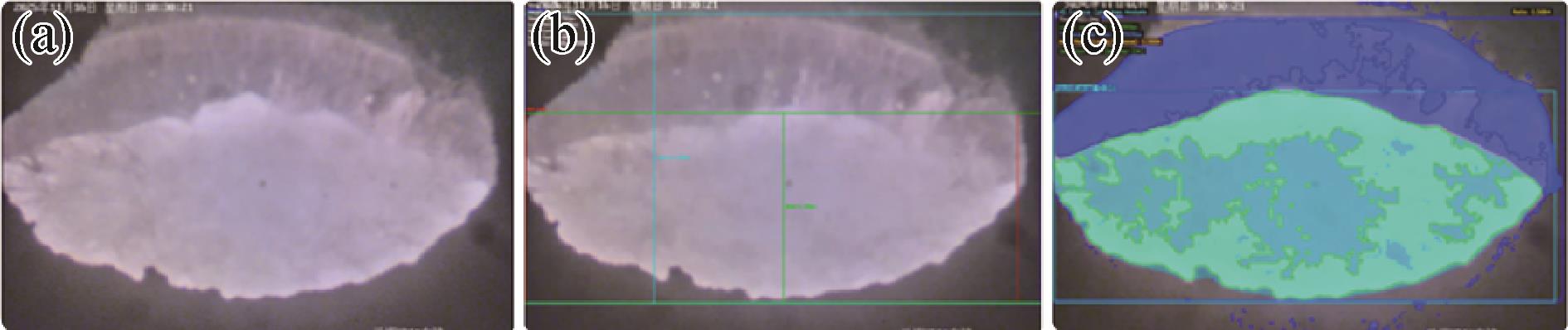
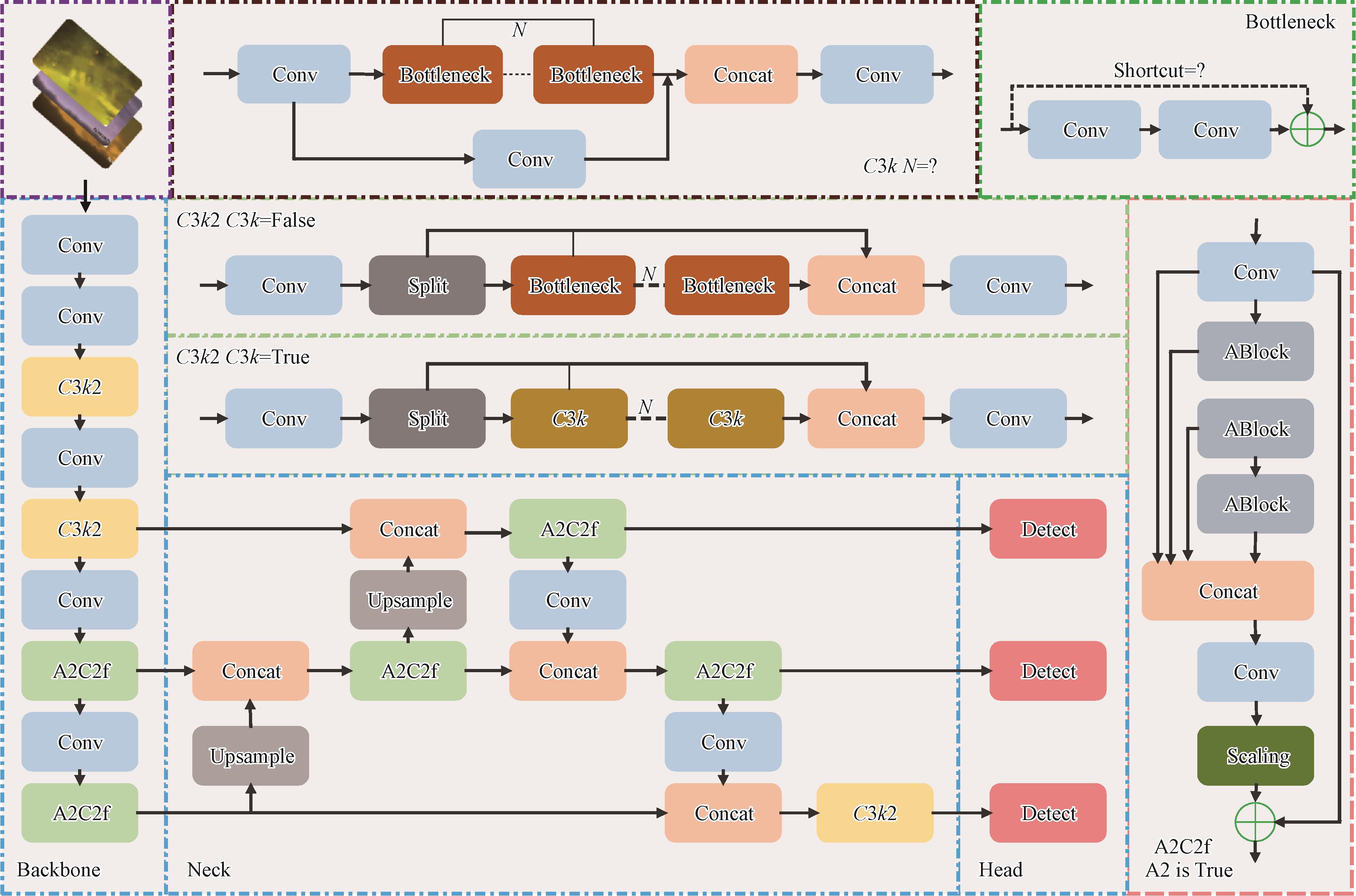
To accurately address the challenge of molten steel level detection in VD (vacuum degassing) furnace under vacuum environment, such as obstruction by smoke, low visibility, and interference from multi-scale targets, a VD furnace molten steel level detection model based on improved YOLOv12n was proposed. This model enhanced feature extraction and object detection performance through three core improvements. First, it was integrating the efficient channel attention(ECA) module, which adaptively strengthened critical channel features while reducing computation and mitigating interference from smoke, dust, and other disturbances. Second, it was embedding the enhance multi-scale dynamic region attention(MRA) module, which precisely focused on multi-scale feature responses in the molten steel level region to improve feature resolution in complex backgrounds. Third, it was utilizing the improved residual efficient layer aggregation(R-ELAN) module DElan to optimize the feature fusion structure, enhancing the correlation of deep features and gradient propagation efficiency, thereby improving the model's ability to capture fine details of molten steel level edge.Experimental validation was performed on a dataset comprising 16 000 molten steel level images captured from VD furnaces, encompassing diverse vacuum levels and obstruction scenarios. Results demonstrate that the proposed EMD-YOLO model outperforms the baseline YOLOv12n and YOLOv12n-seg models in key detection capabilities. Specifically, the model achieves respective improvements of 4.7 and 3.1 percentage point in mean average precision(mAP@50%) as well as 6.9 and 9.1 percentage point in comprehensive confidence(CC) relative to YOLOv12n and YOLOv12n-seg, while maintaining a moderate computational complexity of approximately 6.0 GB. Furthermore, the model's robustness under complex scenarios, such as smoke obstruction and molten steel level fluctuation, was significantly enhanced. This method achieves precise detection of molten steel liquid levels in a VD furnace under vacuum conditions, providing reliable technical support for automated control and safety monitoring in the metallurgical refining process.
Currently, calcium treatment is widely used in industry to address the problem of alumina inclusion aggregation and nozzle clogging. However, systematic research on the modification effects of different calcium-containing alloys, calcium recovery rates, and the underlying mechanisms is still lacking. With stable calcium addition (mass fraction) of 0.015%, the modification effects of five calcium-containing alloys (SiCa, SiCaBa, low-calcium aluminum, high-calcium aluminum, and CaFe) on alumina inclusions in aluminum-deoxidized steel were comparatively investigated through individual treatment and composite premelted slag treatment processes. The results reveal that among the five alloys treated individually, SiCaBa alloy exhibits the best comprehensive modification effect, achieving the highest calcium recovery rate (about 9%), the highest inclusion spheroidization rate (about 24%), the smallest average size (about 1.02 μm), and the lowest total cross-sectional area (about 0.038%). SiCa alloy treatment ranks second, whereas the low-calcium aluminum and high-calcium aluminum alloys show poor effects. CaFe alloy shows the worst modification effect, with most inclusions remaining unmodified alumina inclusions. Composite treatment of calcium-containing alloys with oxide premelted slag demonstrates significant advantages over individual alloy treatment. The composite process increases calcium recovery rates to 10%, further promotes inclusion spheroidization and flotation removal, increases the proportion of small-sized inclusions (less than 1 μm) to 67%, and reduces the inclusion number density from 381.9 mm⁻² to 269.1 mm⁻². Among the five alloys combined with premelted slag, SiCaBa alloy still exhibits the best calcium treatment effect, followed by silicon-calcium-slag and low-calcium aluminum-slag. The calcium-iron-slag treatment effect is less ideal. This study provides theoretical basis and practical reference for optimizing calcium treatment processes and improving steel cleanliness.
Ultra-thin grain-oriented silicon steel, a key material for ultra-high voltage power transmission equipment over ultra-long distances, must combine high magnetic induction with low iron loss. However, there is a trade-off between magnetic induction and iron loss. Achieving an optimal synergy between these two properties remains a pivotal technical challenge in this field. To address this challenge, the effects of cold rolling reduction on the microstructure, texture evolution, and magnetic properties of ultra-thin grain-oriented silicon steel were systematically investigated using electron backscatter diffraction (EBSD) and X-ray diffraction (XRD). The underlying mechanisms were elucidated, which led to the identification of the optimal cold rolling reduction. Consequently, ultra-thin grain-oriented silicon steel exhibiting both high magnetic induction and low iron loss were successfully fabricated. The results indicate that as the cold rolling reduction increases, the number of shear bands in the cold-rolled sheet increase, the intensity of the {111}〈112〉 cold-rolled texture strengthens, and the annealed sheet exhibits a refined average grain size. When the cold rolling reduction increases from 62.9% to 74.1%, the number of Goss nuclei increases, which exhibits significant advantages in both orientation and size. However, when the cold rolling reduction reaches 81.4%, the nucleation of {210}〈001〉 and {113}〈361〉 orientations within the shear bands becomes dominant, thereby weakening the growth advantage of Goss grains. As a result, the magnetic induction shows an initial increase followed by a decrease with further increase in cold rolling reduction. The highest magnetic induction is obtained at cold rolling reduction of 74.1%, where the η-fiber accounts for the highest proportion. As the cold rolling reduction increases from 62.9% to 70.3%, the grain size decreases substantially, leading to an increase in hysteresis loss and consequently an overall rise in iron loss. When the reduction further increases from 70.3% to 81.4%, the rate of grain refinement is slowed, resulting in a limited increase in hysteresis loss, while the thinning of the sheet leads to a significant decrease in hysteresis loss, thereby causing the iron loss to first increase and then decrease. The optimal magnetic properties are achieved at a cold rolling reduction of 74.1%, with magnetic induction of 1.90 T and iron loss of 12.91 W/kg.
To reveal the rolling contact fatigue behavior and failure mechanism of 18CrNiMo7-6 gear steel under different heat treatment states, this study conducted a comparative investigation on two states of 18CrNiMo7-6 gear steel, namely conventional carburizing heat treatment (CHT) and carburizing deep cryogenic treatment (DCT). The relationship among microhardness gradient, residual stress evolution, and fatigue life under high contact stress (2 573-3 100 MPa) was analyzed. The experimental results show that under high load conditions, the contact fatigue life of DCT specimens is significantly lower than that of CHT specimens, with an average reduction of approximately 56.1%. Failure analysis indicates that the difference in fatigue performance arises from the synergistic effect of gradient microstructure and stress state. The CHT process constructs a gentle hardness gradient with a tough interior and a hard exterior, and maintains a stable bidirectional residual compressive stress field in both tangential and axial directions under cyclic loading. Meanwhile, the tough core promotes plastic blunting and coordinated deformation at the crack tip, leading to failure mainly in the form of progressive wedge spalling controlled by the main crack. The DCT process increases the overall hardness but reduces matrix toughness and introduces initial tangential tensile stress. Under high cyclic loading, the axial residual compressive stress tends to relax, and cracks accelerate propagation at local stress concentration points, ultimately exhibiting shallow brittle failure characteristics. This study confirms that under heavy load conditions, constructing a gradient microstructure with a good combination of strength and toughness and maintaining the stability of residual compressive stress can more effectively enhance the rolling contact fatigue performance of materials than simply pursuing high surface hardness.
M42 high-speed steel is a key material for manufacturing high performance complex precision cutting tools. Additive manufacturing demonstrates significant advantages in forming tools with complex external geometries and internal functional flow channels. This study successfully fabricated M42 high-speed steel using electron beam powder bed fusion (EB-PBF) additive manufacturing technology. The effects of energy density (E) on the forming quality, microstructure, hardness, strength, and toughness were systematically investigated. The results show that when the E value is in the range of 40 to 50 J/mm3, the relative density of the specimen reaches above 99.5%. The microstructure mainly consists of an equiaxed ferrite matrix with a grain size of 5.4 to 6.3 μm, a micron-scale network of eutectic carbides (fine rod-like M6C type and short rod-like M2C type), and dispersed ellipsoidal or short rod-like secondary carbides of M2C type with a size of 50 to 200 nm. The high carbon and high alloy content leads to solute segregation even under rapid cooling conditions, which is the main reason for the formation of the network eutectic carbides. As the E value increases from 35.0 J/mm3 to 54.5 J/mm3, the cooling rate of the melt pool decreases, and both the thickness (0.12 to 0.31 μm) and the area fraction (12.5% to 18.6%) of the eutectic carbides increase accordingly, while other microstructural features show no significant change. The hardness of the high density specimen is about 66HRC, which is slightly lower than that of quenched and tempered wrought material. However, due to strain mismatch and stress concentration caused by the network eutectic carbides, both the bending strength (2 220 MPa) and the V-notched impact toughness (4.1 J/cm2) are lower than those of the wrought material. This study further indicates that optimizing the morphology and distribution of carbides through post heat treatment or interlayer remelting during the forming process is expected to improve the strength and toughness of the material.
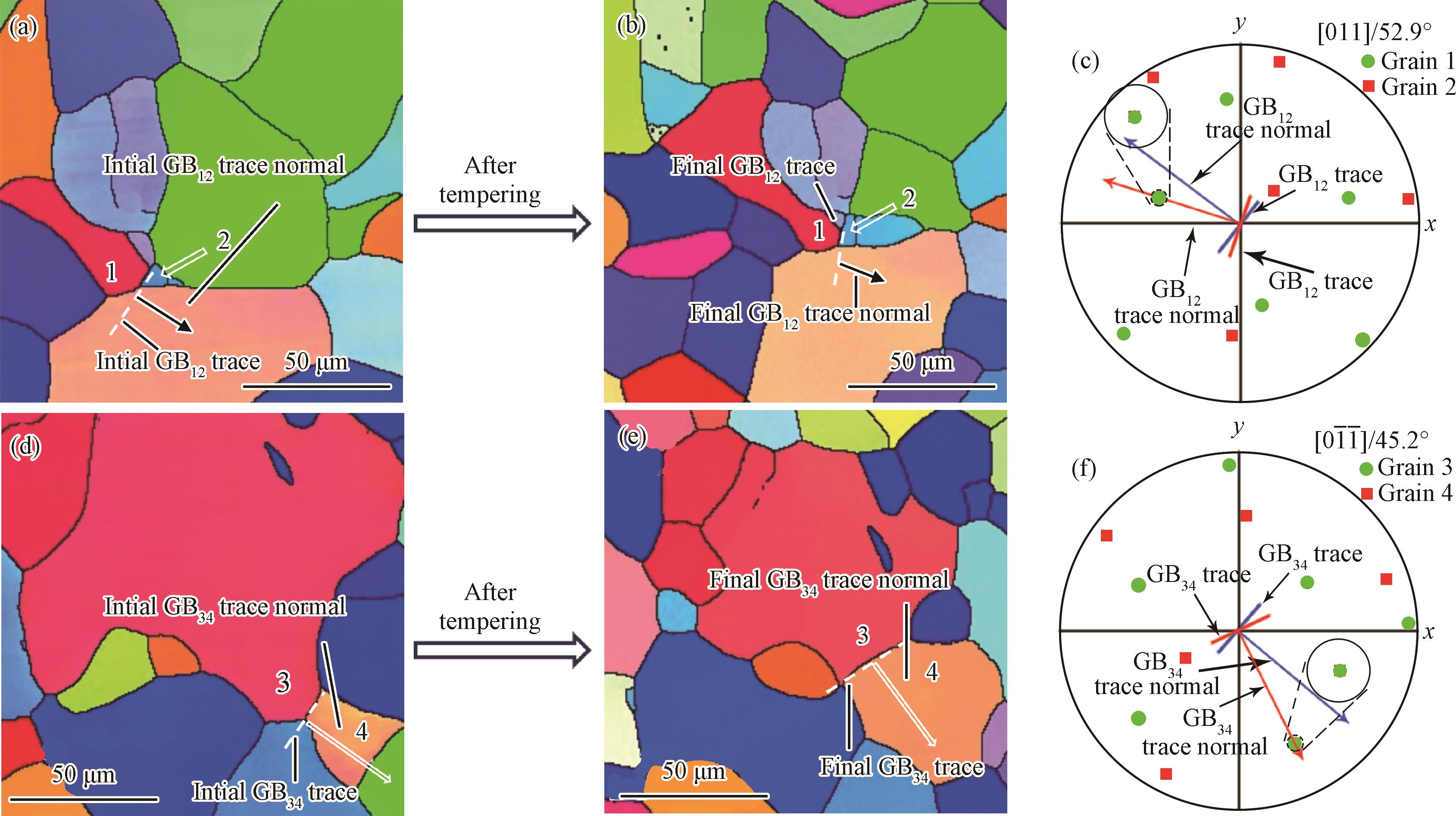
The corrosion resistance of {011}/{011} near singular grain boundaries is significantly better than that of random grain boundaries. Optimizing and increasing the proportion of such grain boundaries through grain boundary engineering may become an effective way to improve the intergranular corrosion resistance of body centered cubic metals, especially low chromium ferritic stainless steel. In this study, hot forged 00Cr12 steel was used as the test material. Five parallel samples were subjected to one pass rolling with a thickness reduction of 35% in the γ phase region at 960 ℃, and then quickly placed in a muffle furnace at 700 ℃ for tempering for 0.5, 1, 2, 3, and 4 h respectively, followed by water quenching to room temperature. To quantitatively calculate the proportion of {011}/{011} near singular grain boundaries in each sample, a grain boundary inter-connection characterization method based on electron backscatter diffraction (EBSD) technology combined with five parameter analysis was adopted. The results show that with increasing tempering time, the proportion of {011}/{011} near singular grain boundaries does not change monotonically. It first increases and then decreases, reaching a maximum value of 10.97% after tempering at 700 ℃ for 2 h. Offline in situ EBSD results further reveal that there are two main mechanisms for the formation of {011}/{011} near singular grain boundaries. One is that grains that are not originally adjacent but have an orientation relationship of 〈011〉/θ collide with each other by swallowing intermediate grains during tempering at 700 ℃, thus forming {011}/{011} near singular grain boundaries. The other is that adjacent grains undergo orientation difference adjustment and grain boundary plane reorientation during tempering, generating {011}/{011} near singular grain boundaries. When tempering at 700 ℃ for more than 2 h, abnormal grain growth occurs. The migration of high angle grain boundaries swallows part of the {011}/{011} near singular grain boundaries, leading to a decrease in the proportion of such boundaries.
The conventional heat treatment process for GCr15 bearing steel often struggles to simultaneously achieve sufficient dissolution of carbides and refinement of the pearlite structure, which limits the improvement of its comprehensive mechanical properties. In order to realize both sufficient carbide dissolution and pearlite refinement, the cyclic heat treatment process is applied to GCr15 bearing steel. This work aims to provide a theoretical basis and experimental reference for the development of new heat treatment processes for high-performance bearing steels. This paper mainly explored a new type of austenitization process, which not only enabled the full dissolution of carbides, but also refined the pearlite structure, achieving uniform distribution of fine carbides and improving the comprehensive performance of GCr15 bearing steel. This study applied a cyclic austenitizing process to GCr15 bearing steel. The evolution of pearlite and carbides and their effect on mechanical properties were investigated based on the phase transformation characteristics and microstructure evolution of undercooled austenite under different cycle numbers. The results show that with increasing cycle numbers, the pearlite interlayer spacing decreases from (320±17) nm in the one-cycle (C-1) sample to (268±22) nm in the two-cycle (C-2) sample and to (226±14) nm in the four-cycle (C-4) sample. The pearlite colony size also gradually reduces from 7.22 μm (C-1) to 6.02 μm (C-2) and then to 5.38 μm (C-4). Meanwhile, the average size of carbides decreases from 0.48 μm (C-1) to 0.36 μm (C-2) and then to 0.25 μm (C-4), and the Cr mass fraction in carbides increases gradually from 5.33% to 7.06% and then to 9.43%. Mechanical property results indicate that the strength and elongation of the C-2 sample are better than those of the C-1 and C-4 samples. Although the C-4 sample exhibits the finest pearlite interlayer spacing, colony size, and carbides, partial lamellar melting leads to microstructural heterogeneity. During tensile testing, this heterogeneity causes uneven strain distribution, promoting early crack initiation and thus reducing mechanical properties. Therefore, the C-2 sample has a more uniform microstructure and smoother work hardening rate dσ/dε curve, resulting in better combination of strength and toughness.
Additive manufacturing, owning to its excellent design freedom and extremely high material utilization, has become a key strategy to produce complex alloy steels. However, the non-equilibrium solidification characteristics (rapid cooling rate and strong temperature gradients), induces metallurgical defects and residual stress, which severely impacts the density and compositional uniformity of the components. Poor quality adversely affects the corrosion resistance of additive manufacturing alloy steel. This paper systematically reviews the characteristics of metal additive manufacturing and summarizes research progress related delaying corrosion process via process parameter optimization, chemical composition design, and heat treatment control to improve porosity, microstructure, and residual stress. Different process parameters directly influence the metallurgical defects. The porosity defects are avoided by adjusting process parameters, which improve pitting corrosion resistance of alloy steels. Introducing nitrogen, chromium, copper, and rare earth elements through in-situ alloying regulates corrosion product and enhances passivation film stability, thereby delaying corrosion process and improving corrosion resistance. Heat treatment improves microstructure and releases residual stresses, further enhancing corrosion resistance by promoting compositional uniformity and controlling carbide distribution. In this paper, the core challenges in the corrosion resistant of additive manufacturing alloy steels are pointed out. The relationships among "process-composition-microstructure-property" should be clarified. The multi-scale databases and standardized evaluation criteria should be established. This paper provides theoretical foundations and design guidance for developing additive manufacturing alloy steels with excellent corrosion resistant.
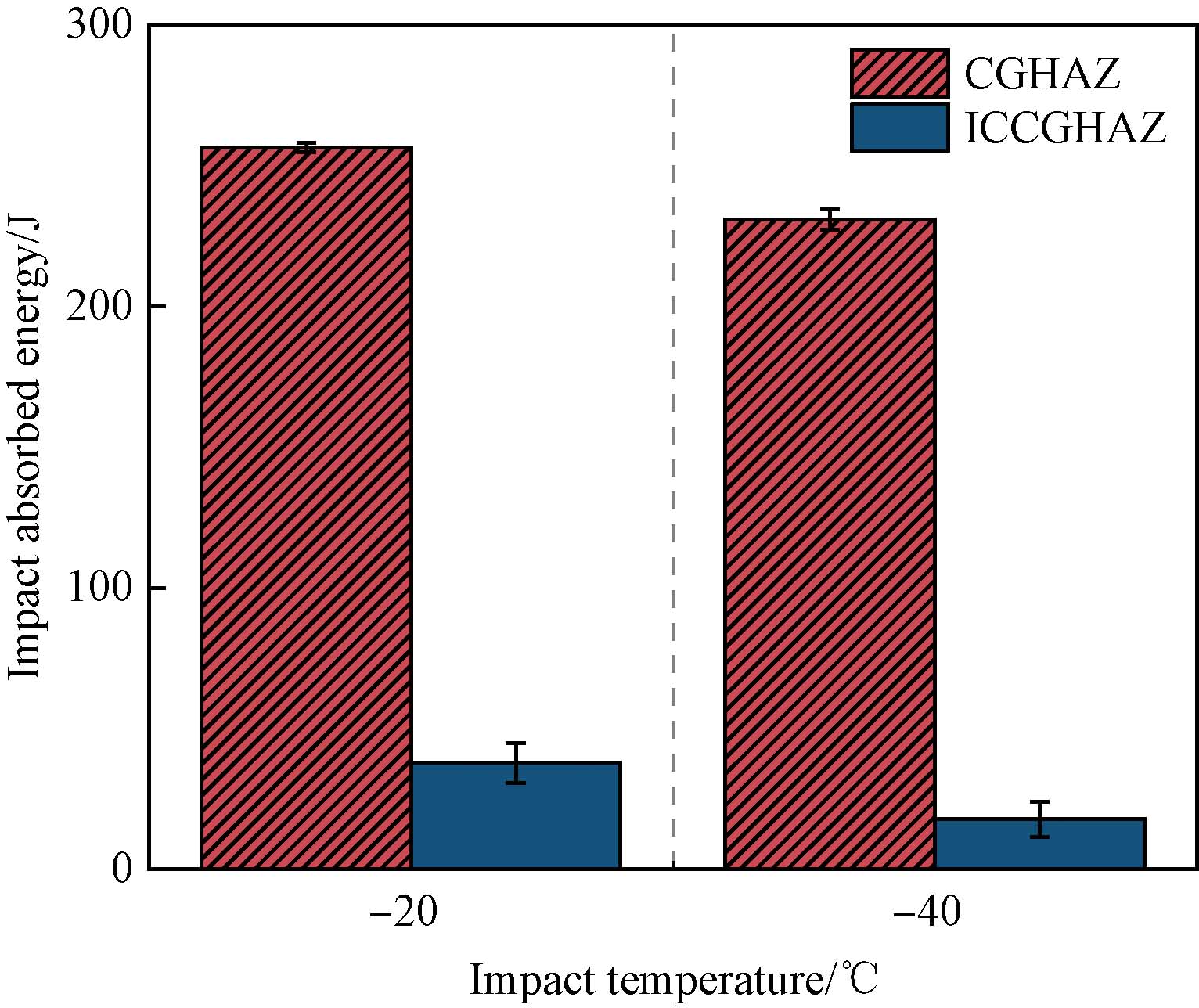
Welding is an important process in the manufacturing of marine equipment, and the performance of welded joints directly affects the safety and reliability of the equipment. In response to the development needs of high performance marine materials, this study designed and prepared a 460 MPa grade high-strength offshore engineering steel with low Pcm. Welding thermal simulation tests were carried out using an MMS-300 thermal simulator to reveal the toughening and embrittlement mechanisms of the heat-affected zone and to optimize the process parameters. The effects of welding heat input, preheating temperature, and peak temperature on the microstructure and toughness of the heat affected zone were analyzed using Charpy impact tests, optical microscopy, and scanning electron microscopy. The fracture characteristics of the coarse grained zone and the intercritical coarse grained zone under single pass and double pass thermal cycle conditions were compared. The results show that with increasing welding heat input and preheating temperature, the microstructure of the coarse grained zone gradually transforms from lath bainite to granular bainite. The content and size of M/A constituents increase, and the impact toughness continuously decreases. The fine grained zone achieves grain refinement through complete austenitization and recrystallization, exhibiting the best toughness. The intercritical zone shows heterogeneous microstructure due to partial austenitization, and its toughness is lower than that of the fine grained zone. The intercritical coarse grained zone exhibits microstructure heredity after experiencing double pass thermal cycling. Austenite inherits the coarse microstructure from the coarse grained zone, and chain like M/A constituents form along the prior austenite grain boundaries. This not only widens the grain boundaries but also acts as crack initiation sites, further deteriorating the impact toughness, making it the weakest region in the welded joint. This study provides a reference for the development of thick plates of weldable marine engineering steel, the optimization of welding processes, and the quality control of welded joints.
In order to meet the stringent requirements of the new energy industry for extreme bending performance of hot-dip galvanized complex phase steel, two 780 MPa grade hot-dip galvanized complex phase steels (Steel 1 and Steel 2) with different composition systems and microstructures were developed through tailored alloy design and process control. The phase morphology, distribution, grain size, and elemental segregation behavior of both steels were systematically characterized using scanning electron microscopy(SEM), electron backscatter diffraction(EBSD), electron probe microanalysis(EPMA), as well as tensile and bending tests, and their mechanical and bending properties were compared. The results indicate that both steels comprise bainite, tempered martensite, and ferrite, yet exhibit distinct microstructural characteristics.Steel 1 features martensite islands with an average size of 2.1 μm and ferrite grains averaging 2.5 μm. Its microstructure consists of 48%(volume fraction) ferrite and only 16% bainite, contributing to a lower yield ratio and higher elongation. However, significant segregation of carbon and manganese is observed in Steel 1, with local mass fractions reaching up to 1.46% C and 4.5% Mn. This localized chemical heterogeneity induces strain localization and damage accumulation, leading to the formation of micro-cracks along martensite/ferrite interfaces during extreme bending of steel, accompanied by extensive void nucleation and coalescence. In contrast, under the same annealing conditions, Steel 2 exhibits significantly improved microstructural homogeneity. The average size of martensite islands is refined to 1.8 μm, the ferrite grain size is reduced to 2.1 μm, and the bainite volume fraction increases to 38.4%. Moreover, carbon and manganese are distributed more uniformly in Steel 2, resulting in a higher yield ratio and tensile strength. Although Steel 2 shows relatively lower elongation, no macroscopic cracks are observed under identical bending conditions. This study elucidates the influence mechanism of multiphase microstructure refinement on the bending performance of complex phase steels, providing a theoretical foundation and a technical pathway for developing ultra-thick hot-dip galvanized complex phase steels with superior bending performance.
With the increasing demand for high safety and lightweight in the automotive industry, advanced high strength steels are widely used in key automotive components. However, the problem of hydrogen embrittlement failure during service has become increasingly prominent. Therefore, developing advanced automotive high strength steels that combine high strength and ductility with low hydrogen embrittlement sensitivity has become a critical challenge. Transformation induced plasticity (TRIP) steel contains metastable retained austenite, offering both excellent strength and ductility and potential hydrogen embrittlement resistance. In this study, a pre-quenching heat treatment process was introduced to systematically investigate the effect of microstructure evolution on the hydrogen embrittlement behavior of TRIP steel. The results show that the pre-quenching treatment significantly changes the microstructure morphology of the steel. The matrix transforms from an equiaxed structure to a structure with a layered feature, and the formation and stabilization of retained austenite are promoted. Compared with conventional TRIP steel, the pre-quenched TRIP steel exhibits a significantly higher volume fraction of retained austenite, which is predominantly film-like in morphology and shows higher stability. In addition, the pre-quenching treatment refines the grain size and increases the proportion of special grain boundaries such as Σ3, which helps to inhibit hydrogen segregation at grain boundaries and intergranular cracking. Meanwhile, the nano-scale precipitates in the pre-quenched TRIP steel show a finer and more dispersed distribution. Slow strain rate tensile test (SSRT) and thermal desorption spectroscopy (TDS) analysis results demonstrate that the pre-quenched TRIP steel exhibits lower hydrogen embrittlement sensitivity under different hydrogen charging conditions. The formation of multi-scale high binding energy hydrogen trap structures in its microstructure effectively inhibits the involvement of diffusible hydrogen in hydrogen-induced damage. Therefore, the pre-quenching treatment establishes a multi-scale hydrogen trapping system through the synergistic effects of stabilizing retained austenite, refining precipitates, and optimizing grain boundary structures, achieving a synergistic optimization of strength, ductility, and hydrogen embrittlement resistance.
After carburizing treatment, 18Cr2Ni4WA steel exhibits high surface hardness and good core load bearing capacity, making it widely used in key components such as heavy load transmission gears. The traditional carburizing process at 930 ℃ has the problems of long production cycle and high energy consumption. High temperature carburizing significantly improves carburizing efficiency of steel, but it also tends to cause an increase in retained austenite content and an imbalance in carbide morphology, thereby weakening the mechanical properties of the carburized layer. To address these issues, this study adopted a high temperature carburizing process at 950 ℃ and systematically investigated its effect on the microstructure evolution and strength-ductility matching of the carburized layer in 18Cr2Ni4WA steel by adjusting the secondary quenching temperature of 775, 800, 825, 850 ℃. The results show that as the secondary quenching temperature increases, the prior austenite grain size grows from 7.05 μm to 12.58 μm, the size of martensite structural units delimited by high angle grain boundaries (i.e., the effective grain size of martensite) increases from 1.53 μm to 2.18 μm, and the retained austenite volume fraction in the carburized layer rises from 8.6% to 12.1%. Under the secondary quenching condition at 775 ℃, continuous network carbides exist in the carburized layer, which easily induce intergranular cracking. When the quenching temperature is raised to 800 ℃, the continuity of the network carbides is effectively broken, significantly improving the ductility of the material. In contrast, further increasing the quenching temperature leads to grain coarsening and an increase in retained austenite, resulting in a marked decrease in the elongation of the material. Based on comprehensive microstructure and property analysis, the sample quenched at 800 ℃ achieves the best strength-ductility matching, with a fracture elongation of 4.6% and a strength-ductility product of 7.5 GPa·%. These findings provide an experimental basis for optimizing the subsequent heat treatment process of high-temperature carburized 18Cr2Ni4WA steel.

 XML
XML Related Articles
 File
File